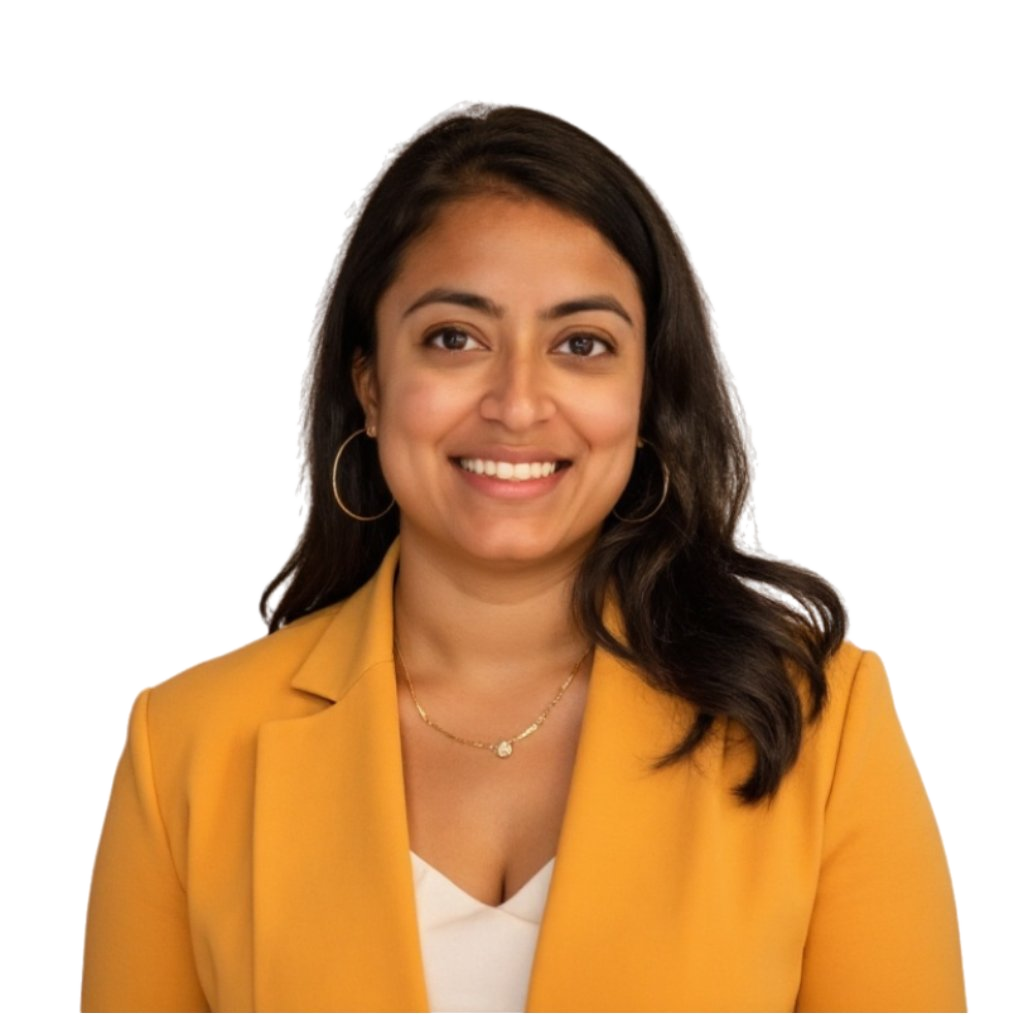
k.p Kim Patel Writer · Speaker · Teacher
Speaking, teaching, & thinking in rooms

Speaking & teaching.

I take on a small number of talks and seminars each year — keynotes, workshops, firesides, and short teaching engagements. Tell me about the room and I'll tell you whether I'm the right voice for it.

— What I talk about

One subject, in different rooms: the inflection point. The moment when a founder, an operator, an institution, or a person stops being able to keep doing what got them here.

The talks aren't about strategy in the consulting sense. They're about the human side of high-stakes decision-making — ambition, money, identity, power, change — and the parts of those decisions that don't make it into the deck.

I work best with groups who want a real conversation, not a content marketing slot. I prepare for the specific room, not a stock keynote.

§ 01

Four shapes the work takes

Keynote · Workshop · Fireside · Teaching
— No. 01 Keynote

Clarity at the inflection point.

A 35-minute talk for founder gatherings and operator off-sites on naming the thing you're actually deciding — and the cost of refusing to.

Duration
35 min + Q&A
Audience
50–500
Setup
In-person preferred

The talk works best for groups in transition — companies between chapters, fellowships at the start of a year, summits whose audience has heard every version of the conventional advice.

— Sample talking points
  1. The cleverness tax: why correct frames are not decisions.
  2. The three signs you're in the wrong strategic conversation.
  3. What it costs to be legibly ambitious — and what it costs not to be.
  4. A working theory of private work: the parts of an inflection point no one wants to write about.
— Ideal contexts
  • Founder summits
  • Operator off-sites
  • Fellowship kickoffs
  • Editorial summits
  • Industry gatherings
— No. 02 Workshop

The money conversation founders avoid.

A half-day for early-stage founders on capital fluency: what your investors actually mean, what you're actually optimizing for, and how to stop translating yourself into someone else's language.

Duration
3–4 hours
Audience
8–24 founders
Setup
Room with a table

Workshops are working sessions, not lectures. Founders come with a real document — a term sheet, a board deck, a forecast — and we read it together as a text.

— Sample talking points
  1. Reading a term sheet as a character study.
  2. What "optionality" actually costs.
  3. The grammar of a good board update.
  4. How to ask for what you actually want, in capital terms.
— Ideal contexts
  • Founder fellowships
  • Accelerator cohorts
  • Operator collectives
  • Family office programs
— No. 03 Fireside · Panel

Power, money & the quiet middle.

An on-stage conversation for ecosystem events and editorial summits — built around a small set of real questions, not a sponsor's talking points.

Duration
45–60 min
Audience
Any size
Setup
Skilled moderator

I'll send three questions I'd actually like to be asked, in advance. The moderator picks what they want from the list — and adds their own.

— Sample talking points
  1. What changing your mind in public actually costs.
  2. The difference between being early and being out of season.
  3. Power without a title.
  4. Reading the room, when the room is wrong.
— Ideal contexts
  • Editorial summits
  • Ecosystem events
  • University programs
  • On-record podcasts & tapings
— No. 04 Teaching

Seminars on becoming.

Small-cohort sessions for graduate programs, fellowships, and operator communities on identity, vocation, and the long arc of a working life. Built bespoke each time.

Duration
90 min – multi-session
Audience
12–40 students
Setup
Reading assigned

These are the engagements I prepare for the longest. A teaching slot is a relationship with a small group; I don't repeat them, and I don't pre-package them.

— Sample talking points
  1. Ambition as a vocational question, not a productivity one.
  2. The cost of a legible career.
  3. What good operators do in the days no one is watching.
  4. Notes on changing your mind in public.
— Ideal contexts
  • Graduate programs
  • Fellowships
  • Cohort-based courses
  • Editorial workshops
§ 02

What to expect when you invite me

How I work
Preparation
I prepare for the specific room — every talk is built for the audience in front of me. I don't repeat a stock keynote.
Honoraria
Honoraria and travel details on inquiry. I respond personally.
Volume
I take on a small number each year. Write me and tell me about the room.
Kim Patel

Tell me about the room.

Write directly. Include what's below and I'll give you a real answer.

— What's helpful to include
  • Event name + date(s)
  • Audience: who, how many
  • Format requested (keynote / workshop / fireside / teaching)
  • Location — or remote
  • Deadline for a decision